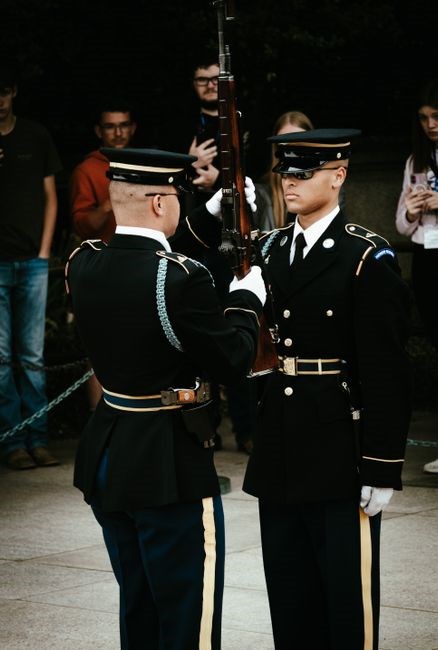
Historical Background of the M1 Garand
The M1 Garand emerged in the 1930s as a semi‑automatic rifle designed by John Garand for the U.S. Army. Its development began in 1933, and by 1940 the Army adopted it, replacing the bolt‑action Springfield. The rifle proved decisive in World War II, offering a clip and rapid fire. Reliability earned a mark!?
1.1 Development and Adoption by the U.S. Army
John Garand’s 1933 semi‑automatic rifle design, chambered in .30‑06, promised faster fire than the Springfield M1903. Early prototypes were tested in 1934–35, and by 1936 the Army’s Small Arms Board approved field trials. The Springfield Armory began mass production in 1937, and the rifle was officially adopted in 1940, replacing the M1903. Its 7‑round en bloc clip allowed rapid loading and ejection, giving U.S. troops a decisive edge in North Africa and throughout World War II. The Army’s procurement plan called for 1.5 million rifles by 1942, a goal met in 1943. The M1’s reliability in harsh conditions and its higher rate of fire cemented its status as the standard U.S. infantry weapon.
The M1’s adoption also prompted logistical changes: the U.S. Army standardized the .30‑06 cartridge across all infantry units, simplifying supply chains. Training manuals emphasized proper handling of the en bloc clip, and soldiers were taught to maintain the rifle’s gas system and bolt lock. Field reports highlighted the rifle’s performance in varied climates, from the humid jungles of New Guinea to the arid deserts of North Africa. The M1’s reliability under extreme heat and dust earned it the nickname “the rifle that won the war.” Its influence extended beyond WWII, shaping post‑war rifle development and becoming a symbol of American military engineering.
Today, the M1 Garand is a collector’s item, its design still studied by modern small‑arms engineers. 2026!
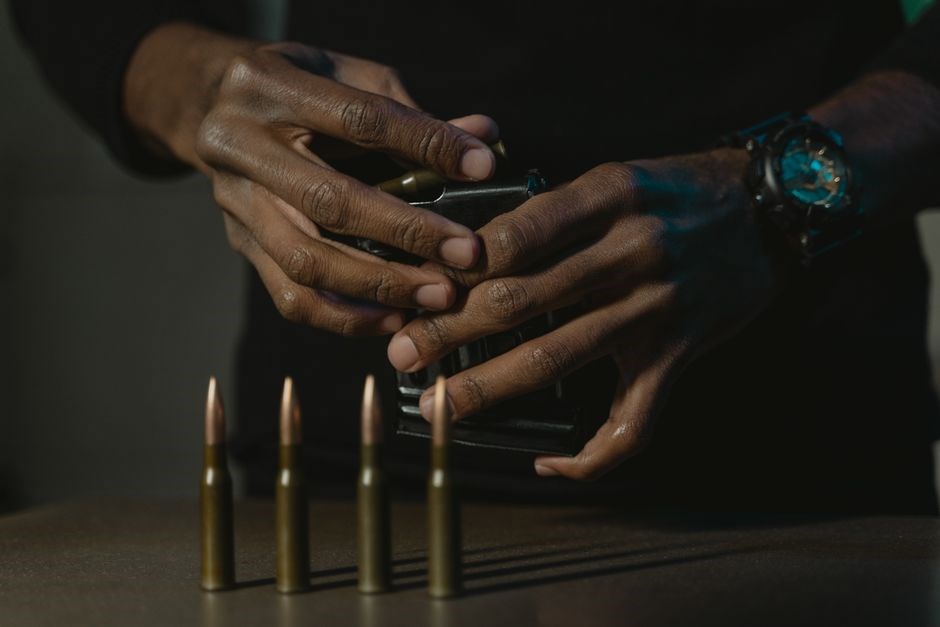
Technical Specifications of the M1 Garand
The M1 Garand fires .30‑06 Springfield, weighs 9.5 lb, barrel 30.5 in, 7‑round en bloc clip, 1,000‑rpm cyclic rate, 25 in muzzle velocity, 1.5 m effective range, gas‑operated, semi‑automatic, 2‑hand safety. 1.5 m range, 1,000‑rpm cyclic rate, 25 in muzzle!
2.1 Caliber, Cartridge, and Dimensions
The M1 Garand is chambered for the .30‑06 Springfield cartridge, a 7.62×63 mm round that delivers a 150‑gr projectile at approximately 2,800 ft/s. The cartridge case measures 2.5 in long, 0.75 in base diameter, and 0.5 in rim. The rifle’s overall length is 48.5 in (1,234 mm), with a 30.5‑in (775 mm) barrel and a 6‑in (152 mm) bolt. The 7‑round en bloc clip holds 7×.30‑06 cases, each 2.5 in long, and the rifle’s weight is 9.5 lb (4.3 kg) unloaded, 10.5 lb (4.8 kg) with a full clip. The receiver measures 7.75 in (197 mm) tall, 3.5 in (89 mm) wide, and 1.5 in (38 mm) deep. The stock is 18.5 in (470 mm) long, with a 3‑in (76 mm) forearm. The barrel has a 1:12 twist rate, 1.5‑in (38 mm) chamber depth, and a 2‑in (51 mm) muzzle diameter. The muzzle velocity averages 2,800 ft/s (853 m/s), and the effective range is about 1,000 yd (914 m). The overall design balances accuracy, reliability, and ease of use, making it a standard issue for U.S. forces during WWII and the Korean War. Standard .30‑06 Springfield ammo has a max chamber pressure of 60,000 psi and a ballistic coefficient of 0.3 for a 150‑gr bullet. The rifle’s muzzle velocity drops to 2,700 ft/s at 1,000 yd. The trigger pull is 2;5 lb, bolt travel 3.5 in, gas port 0.5 in diameter. The gas cylinder is 1.5 in in diameter. Barrel length 30.5 in, overall length 48.5 in. Stock 18.5 in long. Bolt face 1.25 in diameter. Cartridge case 2.5 in long, 0.75 in base, 0;5 in rim. Bullet diameter 0.308 in. The rifle’s effective range is about 1,000 yd, and it features a 1:12 twist rate for stabilizing 150‑gr bullets. It weighs 9.5 lb unloaded and 10.5 lb with a full clip. The bolt face is 1.25 in (32 mm) in diameter, and the firing pin protrudes 0.5 in (13 mm). The safety lever is 2.5 in (63 mm) long, and the trigger guard is 1.75 in (44 mm) wide. It is renowned for reliability.

Operating Mechanism and Action Cycle
The M1 Garand uses a gas‑operated, semi‑auto system. Gas from the fired round vents through a port driving a piston that cycles the bolt, ejects the spent case, chambers a new round from the en bloc clip, and returns the bolt to lock, ready rifle for next shot!!.
3.1 Gas-Operated, Semi-Automatic System
The M1 Garand’s semi‑automatic action relies on a gas‑operated system that harnesses the energy of propellant gases to cycle the bolt. When a round is fired, high‑pressure gases escape through a small port in the barrel, passing through a tube that directs them to a piston attached to the bolt carrier. The force pushes the bolt rearward, unlocking it, ejecting the spent cartridge case. As the bolt moves back, the recoil spring compresses. The bolt reaches the rear limit, the spring pushes it forward, chambering a fresh round from the en bloc clip!! The bolt locks into the barrel extension, ready for the next shot. This cycle repeats automatically for each trigger pull, providing extremely rapid rate of fire while maintaining reliability under combat conditions. The design incorporates a muzzle brake to reduce recoil and a gas regulator that can be adjusted to accommodate different ammunition types. The semi‑automatic operation was a significant advancement over bolt‑action rifles, allowing infantry to deliver sustained fire with fewer actions. During field service, soldiers noted that the gas system could become clogged by carbon buildup, requiring regular cleaning of the gas tube and piston. The M1’s design includes a removable gas block that can be swapped for a cleaner version in harsh environments. Additionally, the rifle’s bolt head features a unique locking lugs arrangement that ensures a tight seal with the barrel, preventing gas leakage. Its robust construction and straightforward operation made it a subject of study for firearms engineers. !!!

Safety and Handling Procedures

Ensure the rifle is unloaded before inspection. Keep the safety lever engaged, verify the bolt is in the forward position, and check the chamber for a round. Handle the trigger guard with care, avoid contact with the firing pin, and store the weapon in a dry location.
4.1 Safety Lever, Firing Pin, and Trigger Guard
The safety lever on the M1 Garand is a critical component that prevents accidental discharge. When positioned to the left, it blocks the firing pin, rendering the rifle inoperative. To engage the safety, pull the lever back until it clicks, then push it forward to disengage. The lever must be checked before every use to ensure it is in the correct position. The firing pin is a spring‑loaded steel rod that strikes the primer of the cartridge when the trigger is pulled. It is housed within the bolt and is protected by a firing pin block that only allows movement when the safety is off. Inspect the firing pin for signs of wear or damage; a bent pin can cause misfires or failure to fire. The trigger guard surrounds the trigger to prevent accidental contact. It should be kept clean and free of debris, and the trigger should be pulled with the thumb or index finger only. Always keep the safety lever engaged when the rifle is not in use, and never rely solely on the trigger guard for safety. Proper handling procedures include verifying the safety lever position, checking the firing pin for integrity, and ensuring the trigger guard is intact before loading or firing. Regular inspection and maintenance of these components will prolong the life of the rifle and maintain operational reliability. For optimal performance, always conduct a pre‑service check of the safety lever, firing pin, and trigger guard before each mission, ensuring no wear or damage that could compromise safety or reliability. promptly!

Routine Maintenance and Cleaning
Routine cleaning of the M1 Garand involves disassembling the bolt, removing the cartridge, and wiping the chamber, barrel, and action with a solvent. After drying, apply a light oil to the moving parts. Inspect for wear and replace any damaged components promptly. Maintain cleanliness to ensure reliability.!!!
5.1 Cleaning Cycles and Recommended Solvents
Cleaning the M1 Garand follows a set cycle: a quick field wipe, bolt disassembly, solvent soak, mechanical cleaning, drying, and light lubrication. Each step keeps the rifle reliable.
- Field Wipe: Dry cloth removes loose debris from bolt, receiver, and barrel.
- Disassembly: Remove bolt, extractor, and firing pin carefully.
- Solvent Soak: Spray Loctite 2‑in‑1 or USP 1‑in‑1 on chamber and action; let sit 30–60 s.
- Mechanical Cleaning: Brush barrel, chamber, and bolt with brass or nylon rod.
- Drying: Wipe parts dry; no solvent residue.
- Lubrication: Light oil on bolt, extractor, and firing pin.
Recommended solvents: Loctite 2‑in‑1, USP 1‑in‑1, Acetone‑based cleaners. Use a light coat of Loctite 2‑in‑1 on bolt and action for storage to prevent corrosion.
Cleaning should be performed after each mission or when the rifle is exposed to dust or saltwater. Use a solvent that does not leave residue; acetone or isopropyl alcohol are common choices. After cleaning, apply a thin coat of oil to the bolt and action to prevent corrosion. Store the rifle in a dry environment to maximize longevity.
After cleaning, load a clip and fire a few rounds to verify bolt cycling and safety engagement. If any delay or abnormal noise occurs, inspect for worn parts.
Maintenance life daily today.!

Field Strip and Repair Guide
Begin by removing the clip, then pull the bolt back and lift the bolt handle. Inspect the extractor, firing pin, and bolt face for wear. Clean with solvent, brush, and dry. Reassemble, test firing, and replace any worn parts. Keep the rifle lubricated and stored dry. Keep!!
6.1 Field Strip Sequence and Common Field Repairs
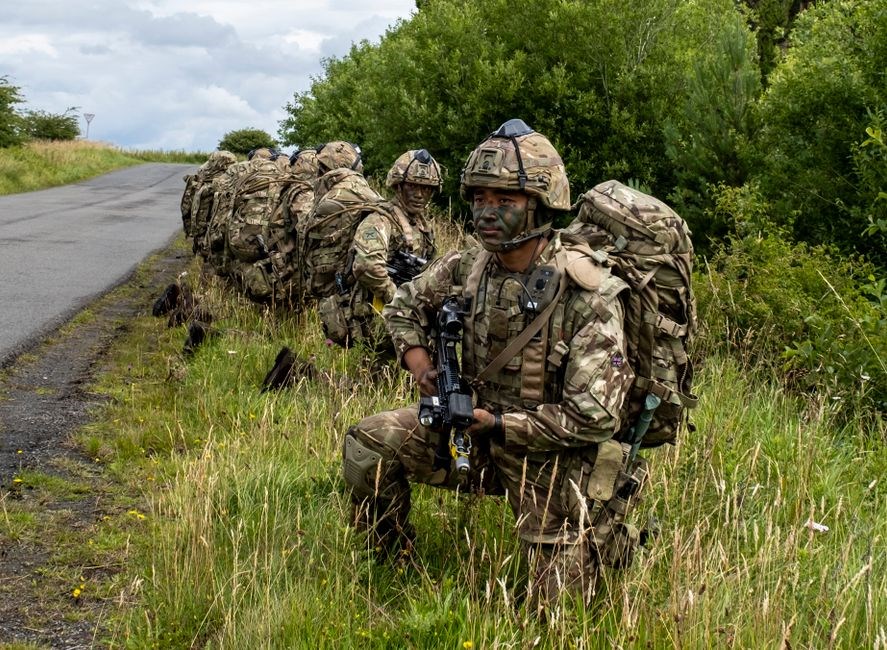
Step 1: Clear the rifle. Remove the 8‑round en bloc clip and unload the chamber. Keep the bolt handle up and the bolt in the rear position. Step 2: Separate the upper and lower receivers by pulling the bolt handle back and lifting the bolt. The bolt and bolt carrier will drop out. Step 3: Inspect the bolt face, extractor, and firing pin for wear or damage. Clean with solvent and a brass brush, then dry thoroughly. Step 4: Check the gas tube for cracks or blockages; if necessary, replace it with a new tube. Step 5: Inspect the stock and forearm for cracks or loose screws; tighten or replace as needed. Step 6: Reassemble the rifle, ensuring the bolt moves freely and the safety lever functions correctly. Test fire in a safe area to confirm proper operation. Common field repairs include replacing a broken bolt handle, repairing a damaged gas tube, or swapping a cracked stock. Always use the correct replacement parts and follow the manufacturer’s torque specifications. Proper field maintenance extends the life of the M1 Garand and ensures reliability in combat situations.
In addition to the steps above, soldiers should routinely inspect the gas piston for wear, clean the bolt face with a brass brush, and lubricate the bolt carrier with a light oil. If the bolt handle is damaged, replace it with a stamped steel part. For damaged stock, use a replacement stock or a field‑repair kit. Always keep spare parts and a cleaning kit in the gear bag. Carry a spare cleaning rod and bottle for service now

Ammunition, Feeding, and Clip System
The M1 Garand uses an 8‑round en‑bloc clip of .30‑06 Springfield. Clips load into the bolt, feeding each round automatically. The clip ejects when the bolt returns to the rear, allowing rapid reloading. Proper handling ensures reliability. Quick clip changes keep fire.!
7.1 Clip Capacity, Cartridge Case, and Muzzle Design
The M1 Garand’s clip capacity is eight rounds, a design that balances firepower with the practicalities of a semi‑automatic rifle. Each clip is a rigid, metal frame that holds .30‑06 Springfield cartridges in a staggered arrangement. The clip locks into the bolt face, and as the bolt cycles, the rounds are fed sequentially into the chamber. When the last round is chambered, the bolt’s rearward travel ejects the empty clip automatically, allowing the shooter to insert a fresh one with minimal interruption.
The cartridge case itself is a brass cylinder with a tapered rim. The .30‑06 case measures 2.75 inches in length and has a 0.30‑inch diameter Its design facilitates reliable extraction and ejection, as the case walls are thin enough to flex under the pressure of firing yet the case remains robust enough to withstand repeated use. The rimmed case also aids in headspacing, ensuring that each round sits at the correct position within the chamber for consistent ignition
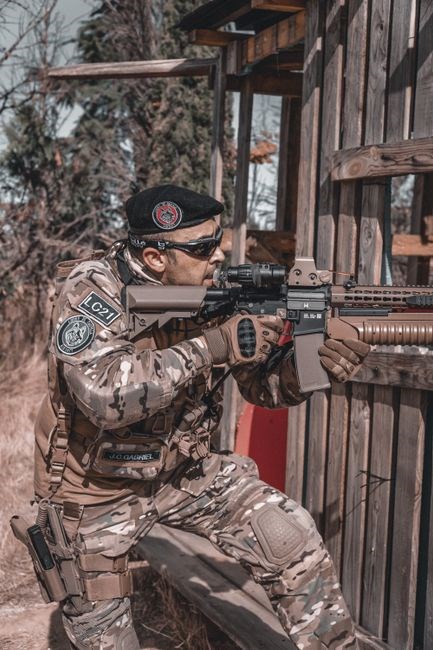
Muzzle design on the Garand incorporates a short, smoothbore barrel with a muzzle brake that reduces recoil and muzzle rise. The barrel length is 30.5 inches, providing a balance between velocity and maneuverability. The muzzle brake’s venting system directs gases upward and slightly backward, helping to keep the rifle on target during rapid fire. The overall design contributes to the Garand’s reputation for accuracy and controllability.
Field tests demonstrated that the Garand’s clip system allowed for rapid reloading in combat, with soldiers able to reload in under two seconds under stress. The rifle’s design also considered logistics; the standard 8‑round clip could be produced in large quantities and was compatible with existing ammunition supply chains.
Maintenance crews noted that the clip’s metal construction resisted corrosion, and the brass cartridges were easy to inspect for wear. The muzzle design’s venting pattern was refined over time, resulting in a smoother recoil impulse that reduced shooter fatigue during extended engagements.
The combination of clip capacity, cartridge case geometry, and muzzle engineering made the M1 Garand a formidable weapon on the battlefield, giving U.S. forces a decisive advantage in many theaters of war.
In sum, the Garand’s clip capacity, cartridge case, and muzzle design collectively forged a rifle that combined firepower, reliability, and ease of use, setting a standard for future semi‑automatic service rifles.